

Enhanced User Experience and Accessibility
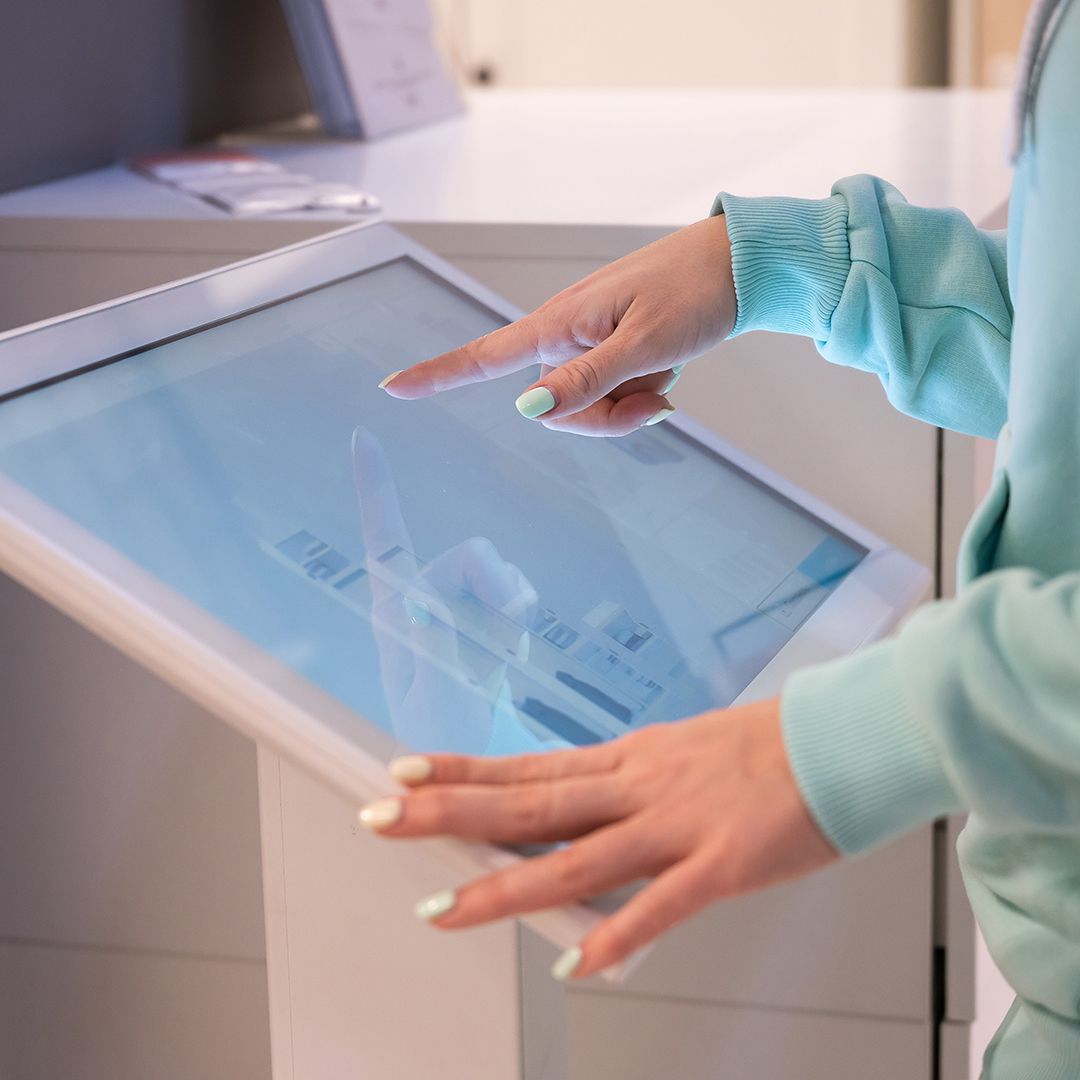
Touchscreen technology has made public information kiosks incredibly user-friendly. With familiar tap, swipe, and pinch gestures, users can effortlessly navigate complex information, find directions, or complete transactions. This intuitive design significantly lowers the barrier to entry, making kiosks accessible to a broader demographic, regardless of their technical proficiency. The interactive nature fosters greater engagement, providing a dynamic experience far superior to traditional static displays.

Boosting Operational Efficiency and Cost Savings
Beyond user experience, touchscreen kiosks deliver substantial operational benefits. By automating routine inquiries and transactions, they significantly reduce wait times and free up staff to focus on more complex tasks. This self-service model translates directly into cost savings by optimizing labor allocation and streamlining workflows. From quick check-ins in healthcare to efficient wayfinding in large venues, these kiosks enhance overall service delivery.
Versatile Applications Across Sectors
The versatility of touchscreen public information kiosks is evident in their widespread adoption across diverse sectors. In retail, they provide interactive product catalogs and self-checkout options. In government offices, they facilitate form submission and provide civic information. Healthcare facilities use them for patient registration and appointment scheduling, while transportation hubs offer real-time updates and ticketing. This broad applicability underscores their value in modernizing public interaction points.

Future Innovations and Data Insights
For government agencies, security and compliance are non-negotiable. Modern video conferencing solutions are designed with robust encryption and advanced security protocols to protect sensitive discussions and data. Providers, like those partnered with BES Industries, offer features tailored to government requirements, ensuring that virtual meetings adhere to stringent regulatory standards. This commitment to security provides peace of mind, allowing agencies to communicate confidently and securely.