Improving Air Quality and Comfort
Smart HVAC systems are designed to optimize air quality, which is crucial in educational settings. By using advanced filtration and ventilation technologies, these systems reduce airborne contaminants and allergens. Improved air quality leads to fewer absences due to illness and fosters greater student focus and engagement. Emphasizing the importance of a healthy learning atmosphere, institutions can significantly benefit from investing in state-of-the-art HVAC solutions.

Energy Efficiency and Cost Savings
Incorporating smart HVAC systems results in substantial energy savings. These systems utilize sensors and smart controls to adjust heating and cooling based on occupancy and weather conditions. As a result, energy consumption is significantly reduced, directly contributing to lower utility costs. By maximizing energy efficiency, schools can reallocate financial resources toward enhancing educational programs and facilities, ultimately supporting student success.

Enhanced Operational Control
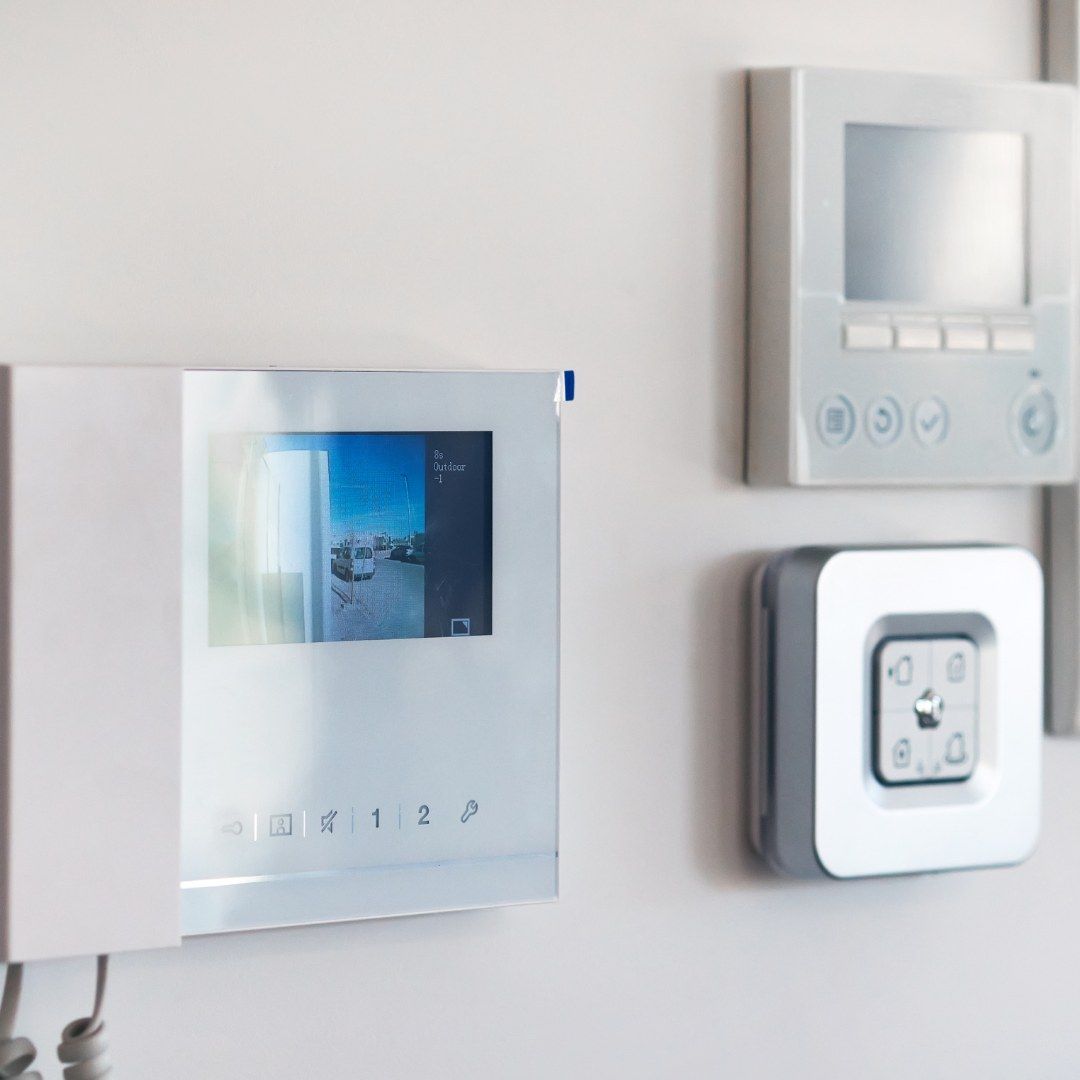
Smart HVAC systems offer administrators advanced control over their building environments. Features such as remote monitoring and programmable schedules allow for real-time adjustments to be made, ensuring optimal temperature and ventilation at all times. This operational flexibility enables educational institutions to respond efficiently to changes in building occupancy and seasonal weather fluctuations, thus maintaining a comfortable environment for students and staff.

Future-Proofing Educational Facilities
The landscape of education continues to evolve, and the integration of technology is imperative for future-ready institutions. Smart HVAC systems enable schools to adapt to changing educational needs and standards. By investing in these advanced systems, educational institutions can improve energy management and operational efficacy, positioning themselves as leaders in fostering effective and sustainable learning environments.