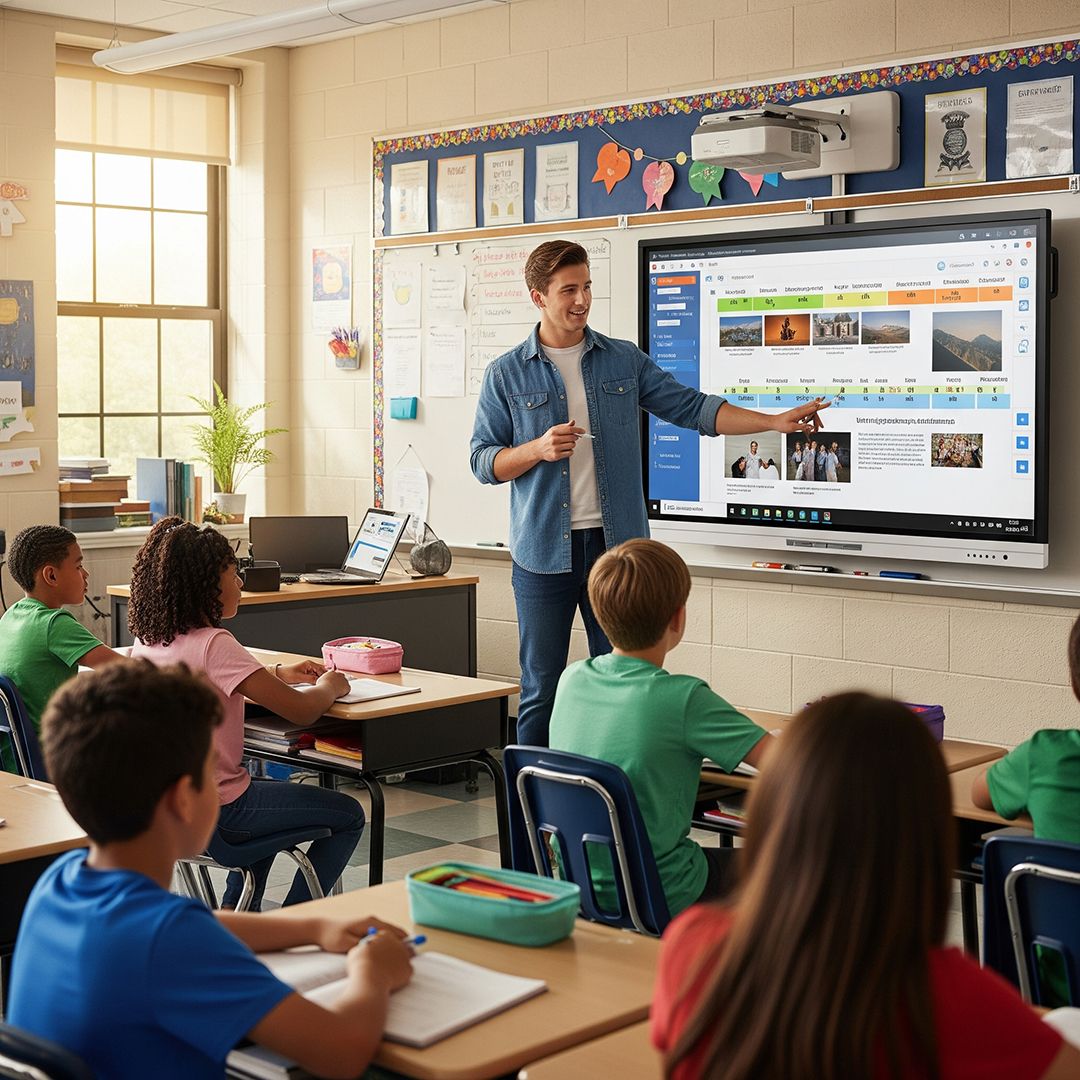

Enhancing Student Engagement and Participation
One of the primary benefits of interactive whiteboards is their ability to captivate student attention. Unlike static blackboards or projection screens, interactive whiteboards allow for direct manipulation of content, from annotating texts and drawing diagrams to solving problems collaboratively. This hands-on approach encourages active participation, making lessons more exciting and memorable. Students are more likely to stay focused when they can interact directly with the learning material, fostering a more enthusiastic and productive classroom atmosphere.
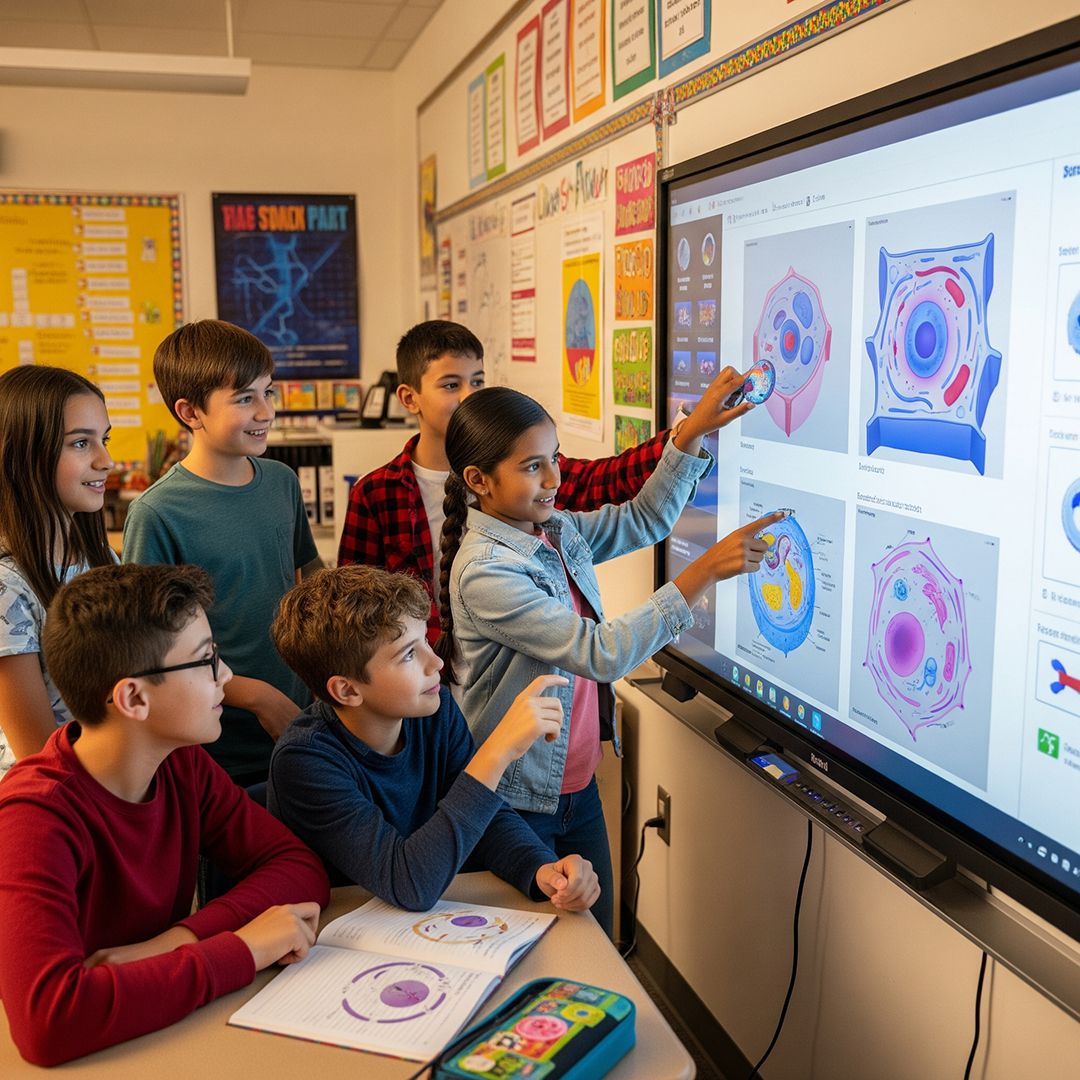
Fostering Collaborative Learning Environments
Interactive whiteboards are inherently designed to promote collaboration. Multiple students can work simultaneously on the board, whether brainstorming ideas, presenting group projects, or solving complex equations together. This functionality breaks down barriers, encouraging teamwork and peer-to-peer learning. Teachers can facilitate group activities with ease, allowing students to share their thoughts and contribute collectively to discussions, thereby developing essential communication and problem-solving skills crucial for their future.
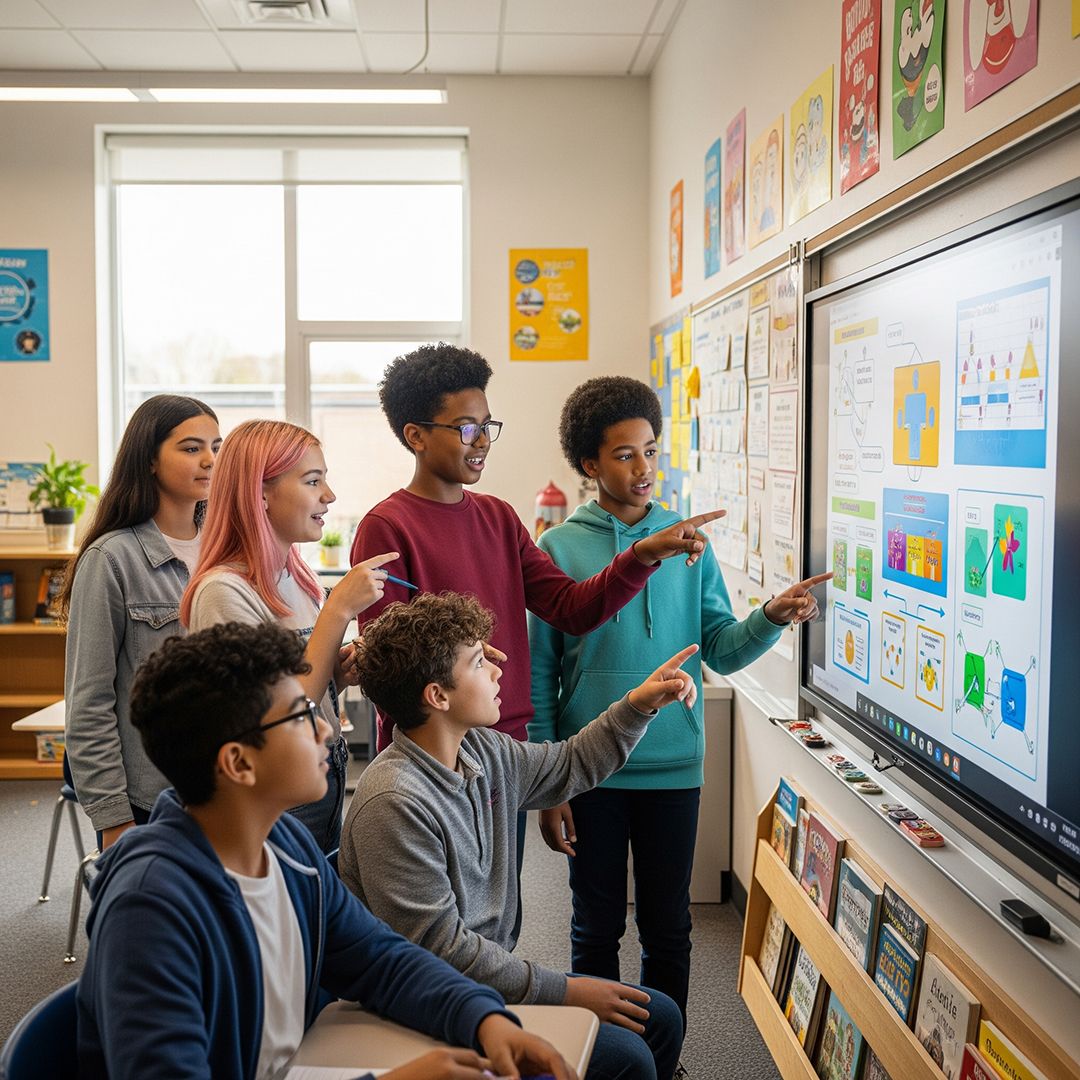
Diversifying Teaching Methodologies
These intelligent displays empower educators to implement a wider range of teaching strategies. Teachers can seamlessly integrate multimedia content, including videos, interactive simulations, and educational applications, directly into their lessons. This versatility allows for differentiation, catering to various learning styles and academic needs within the same classroom. From visual learners benefiting from vibrant graphics to kinesthetic learners engaging with touch-based activities, interactive whiteboards provide a flexible platform for delivering comprehensive and adaptable instruction.
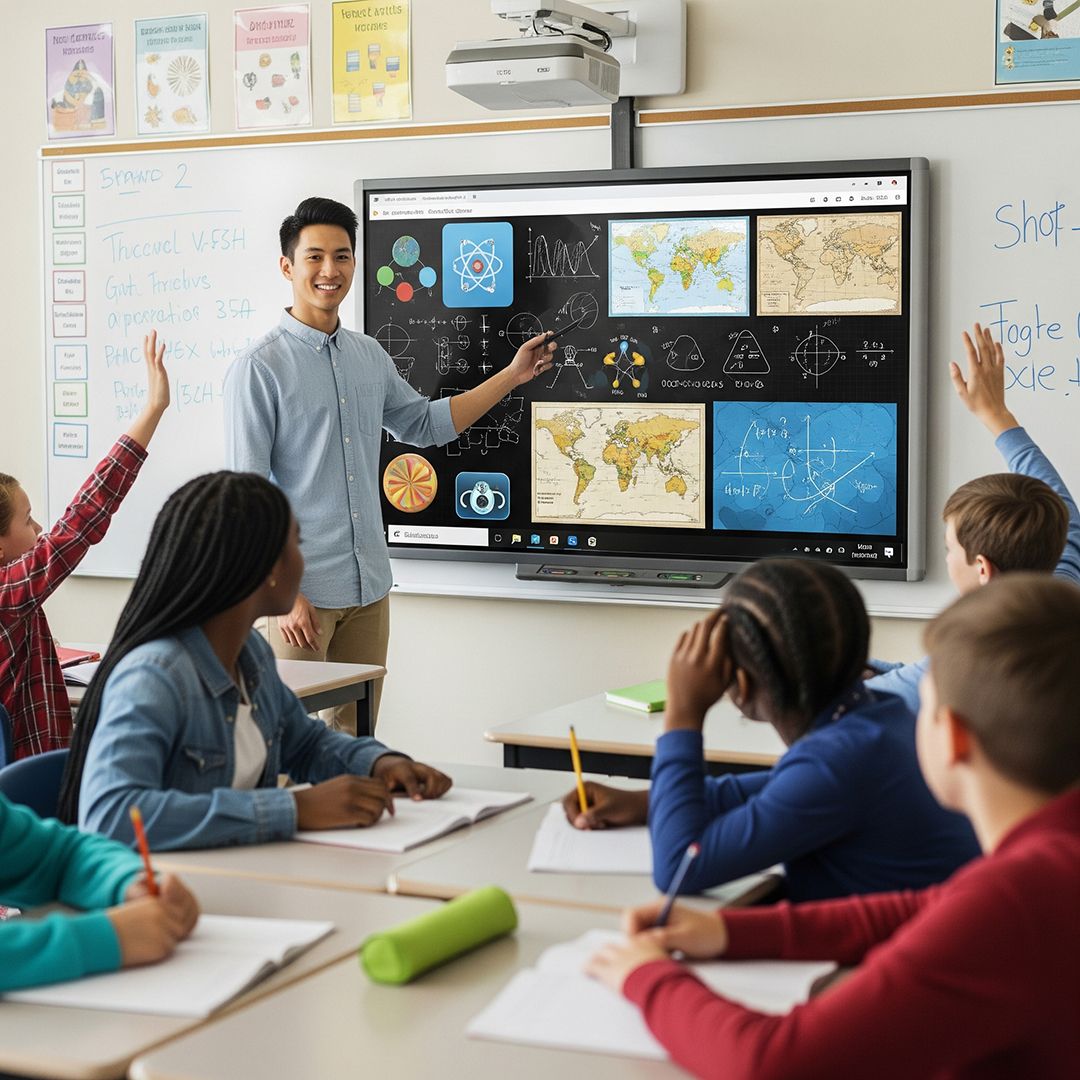
Streamlining Lesson Delivery and Management
Beyond student benefits, interactive whiteboards also streamline the teaching process for educators. Lessons can be prepared in advance, saved, and easily retrieved, reducing preparation time and ensuring consistency. Teachers can annotate over existing content, save student work, and even record lessons for review or for absent students. This efficiency in content delivery and management allows educators to focus more on instruction and less on logistical challenges, creating a more organized and effective learning environment.