
Seamless Streaming and Device Connectivity
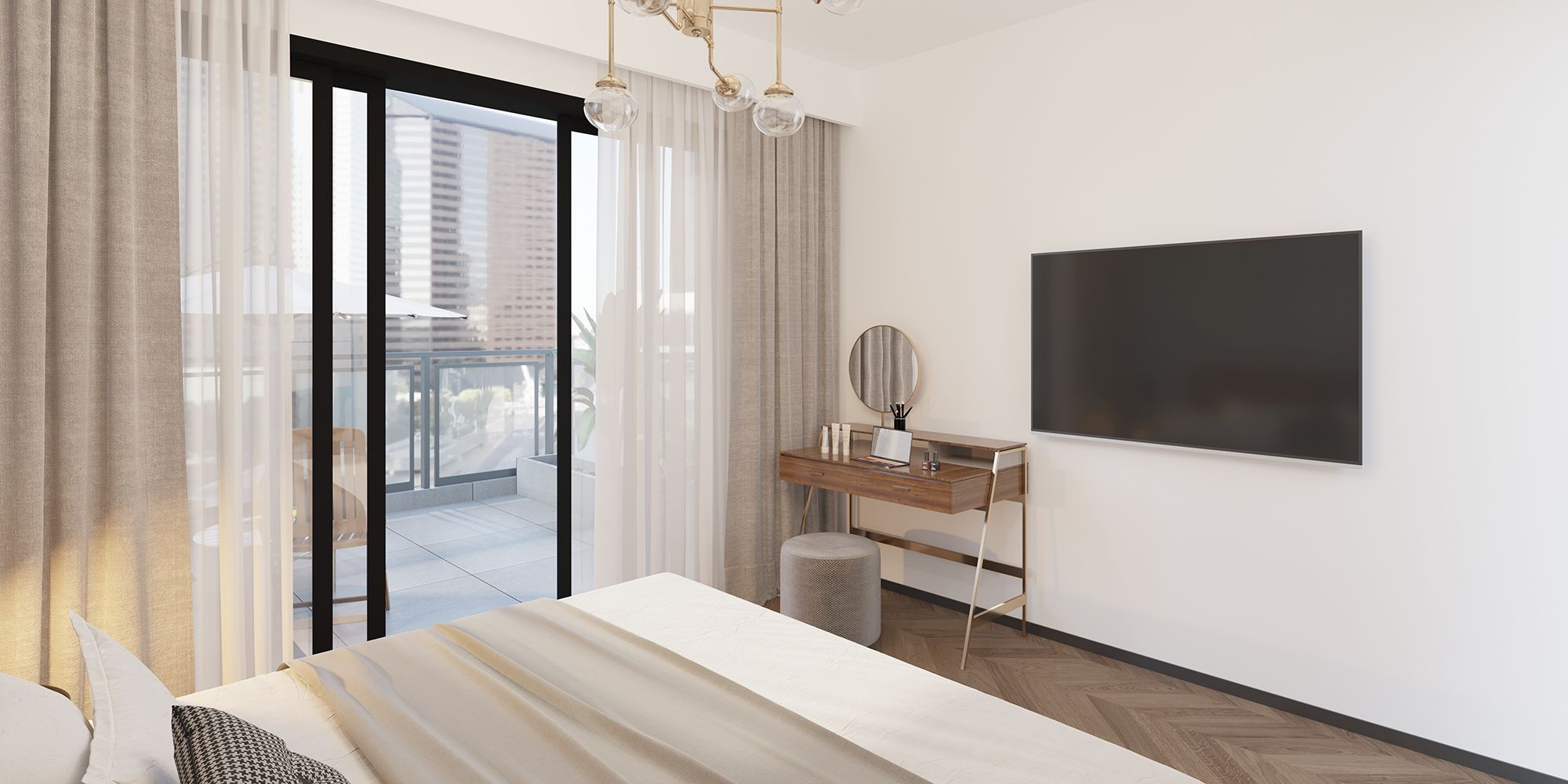
Modern guests bring multiple devices and expect to access their own streaming services seamlessly. The trend is moving beyond basic casting solutions to more integrated systems within smart TVs that allow guests to log into their Netflix, Hulu, or Disney+ accounts directly and securely. High-speed, reliable Wi-Fi is foundational to this experience, enabling guests to stream, game, or attend virtual meetings without interruption. Hotels are prioritizing frictionless connectivity that mirrors the convenience of home.

Voice-Controlled Personalization
Voice-controlled assistants, like those integrated with smart TVs or dedicated in-room devices, are becoming increasingly prevalent. Guests can use voice commands to control room settings such such as lighting and temperature, order room service, request amenities, or even get local recommendations. This hands-free interaction provides a futuristic and convenient experience, reducing reliance on front desk staff for routine requests and offering a truly personalized stay.
Interactive Content and Digital Compendiums
Beyond passive viewing, guest room entertainment systems are evolving into interactive platforms. Hotels are leveraging smart TVs and in-room tablets as digital compendiums, allowing guests to explore hotel services, view restaurant menus, book spa appointments, or access local attraction information. These interactive interfaces can also display personalized welcome messages, targeted promotions, and allow for express checkout, enhancing convenience and creating new revenue opportunities.

Integrated Smart Room Technology
The future of guest room entertainment is part of a larger trend towards fully integrated smart rooms. This involves linking entertainment systems with other in-room technologies like smart thermostats, automated blinds, and keyless entry systems. Guests can manage their entire room environment from a single interface, whether it’s the TV remote, a dedicated tablet, or their own mobile device. This holistic approach creates a seamless, intuitive, and highly customized guest experience that truly feels like a home away from home.